MODRA – Slovakia
900 01 – Bratislava
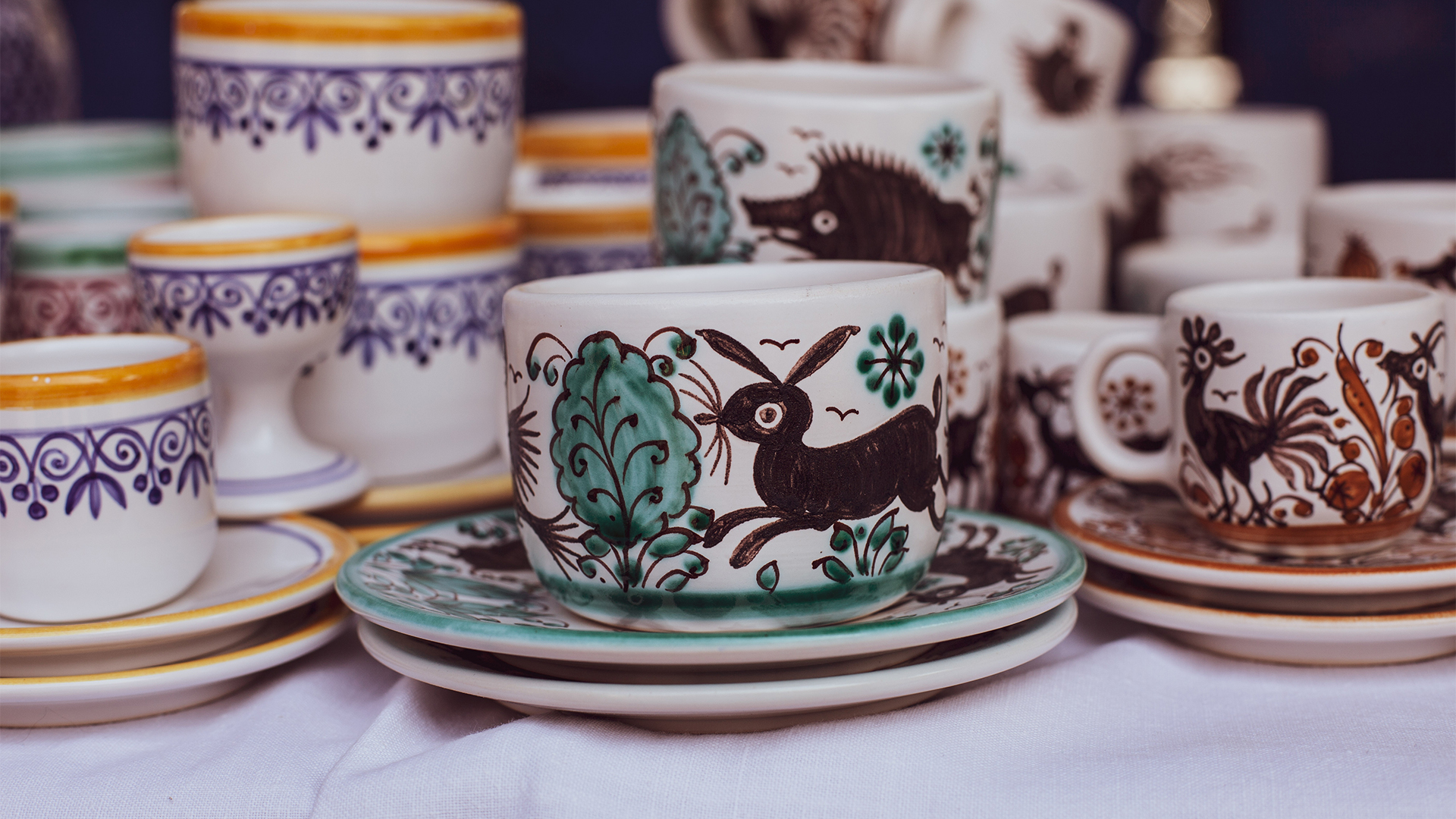
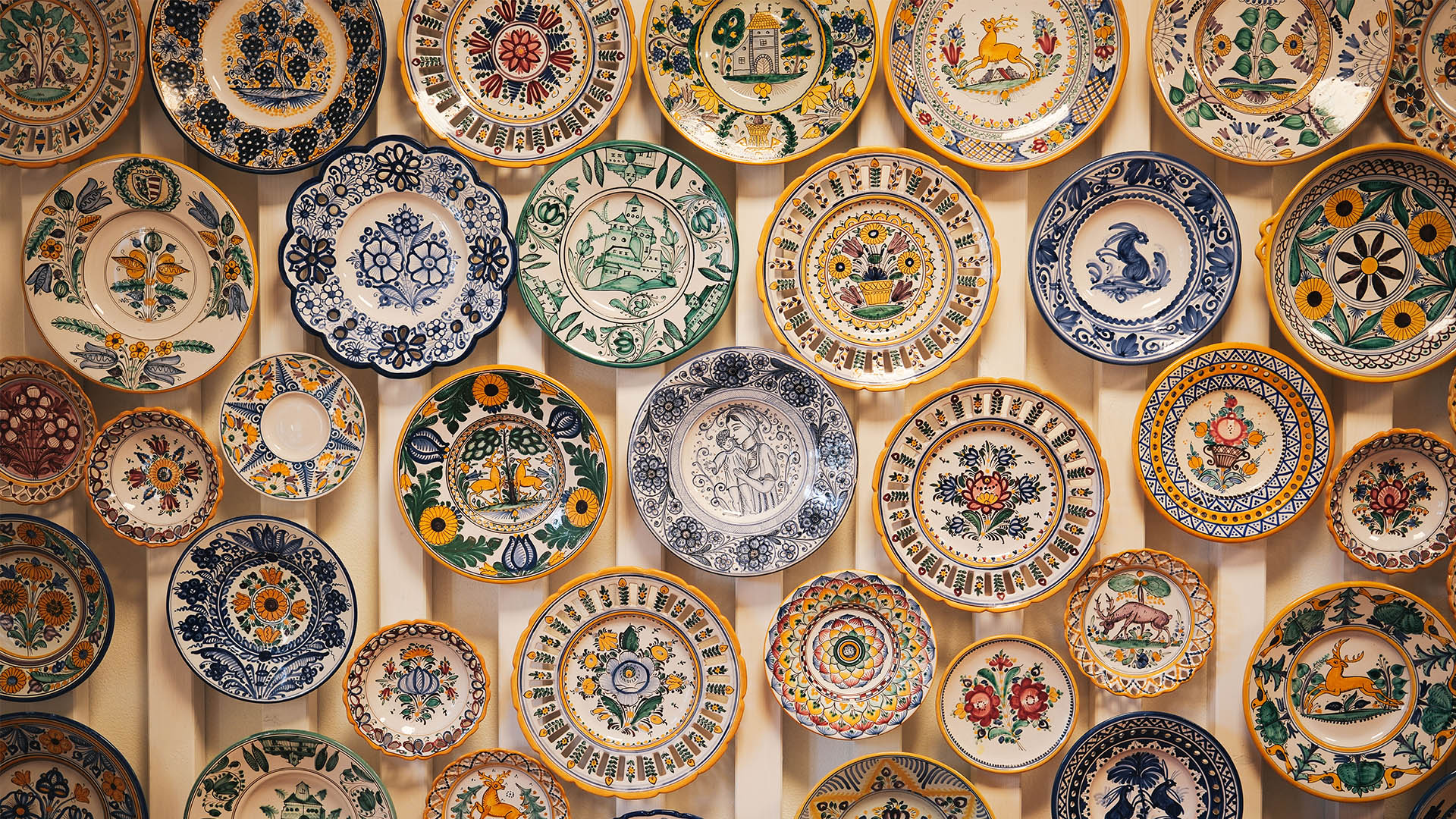
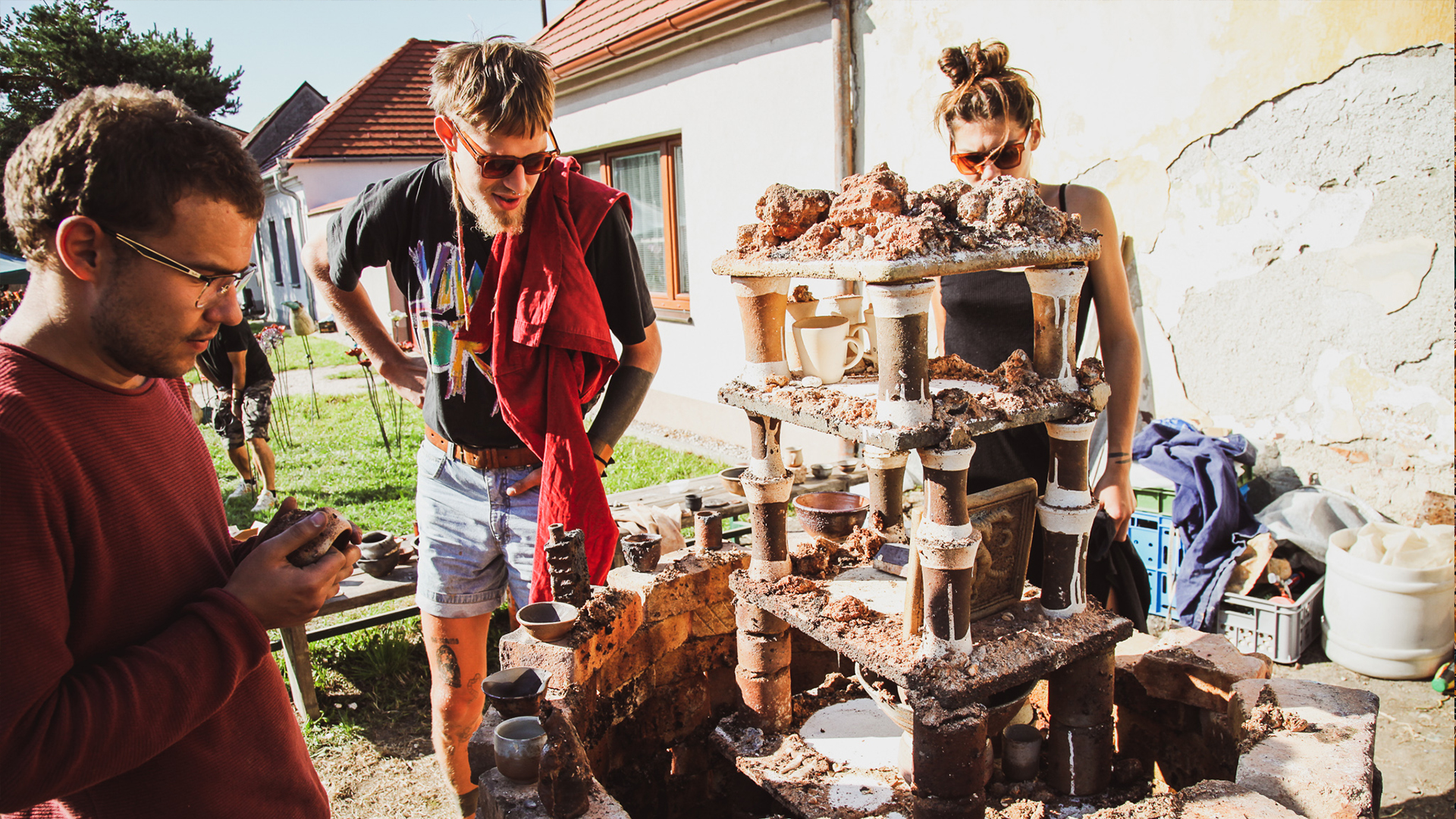
The story of the clay in Modra is connected with the Habans – New Christians, who came from the Alpine countries in the 16th century. They were great craftmen, especially potters. Ornamentation was simple – floral, geometric or architectural elements. They did not use the color red – it´s said that for religious reasons, but rather because of its financial inaccessibility. In the 18th century, the Habans merged with the local population. Many smaller ceramic workshops were established, the color, decor and expansion of ceramics changed. Craftmen joined guilds – organizations that controlled the quality of products, ensured their sales, but also took care of widows and orphans. The guilds disappeared in the 1970s. Already in 1883, a ceramic school was founded, on the basis of which Slovak folk majolika was created. Slovak Folk Majolica is on of the oldest and largest craft workshops in Slovakia. This year it celebrates the 140th anniversary of its establishment. In addition to traditional patterns and decors – blue, green, haban and colored, also creates new, design collections of utilitarian ceramics. Every year, Slovak Folk Majolica gives space to students and artists, whom it invites to the 5-day Artists Symposium. They create pre-prepared ceramics according to the theme. In this way, unique works are created, new friendships are made, but also new artistics talents are often discovered. The premises of the Slovak Folk Majolica are open the the public almost throughout the year, when it´s possible to get acquainted with the production of ceramics, try spinning on a circle or decorating. The recording of the summer symposium or artists was created thanks to the support of the EEA and Norway Grants in Slovakia.
EXPLORE
Three Crosses – Calvary and the Stations of the Cross
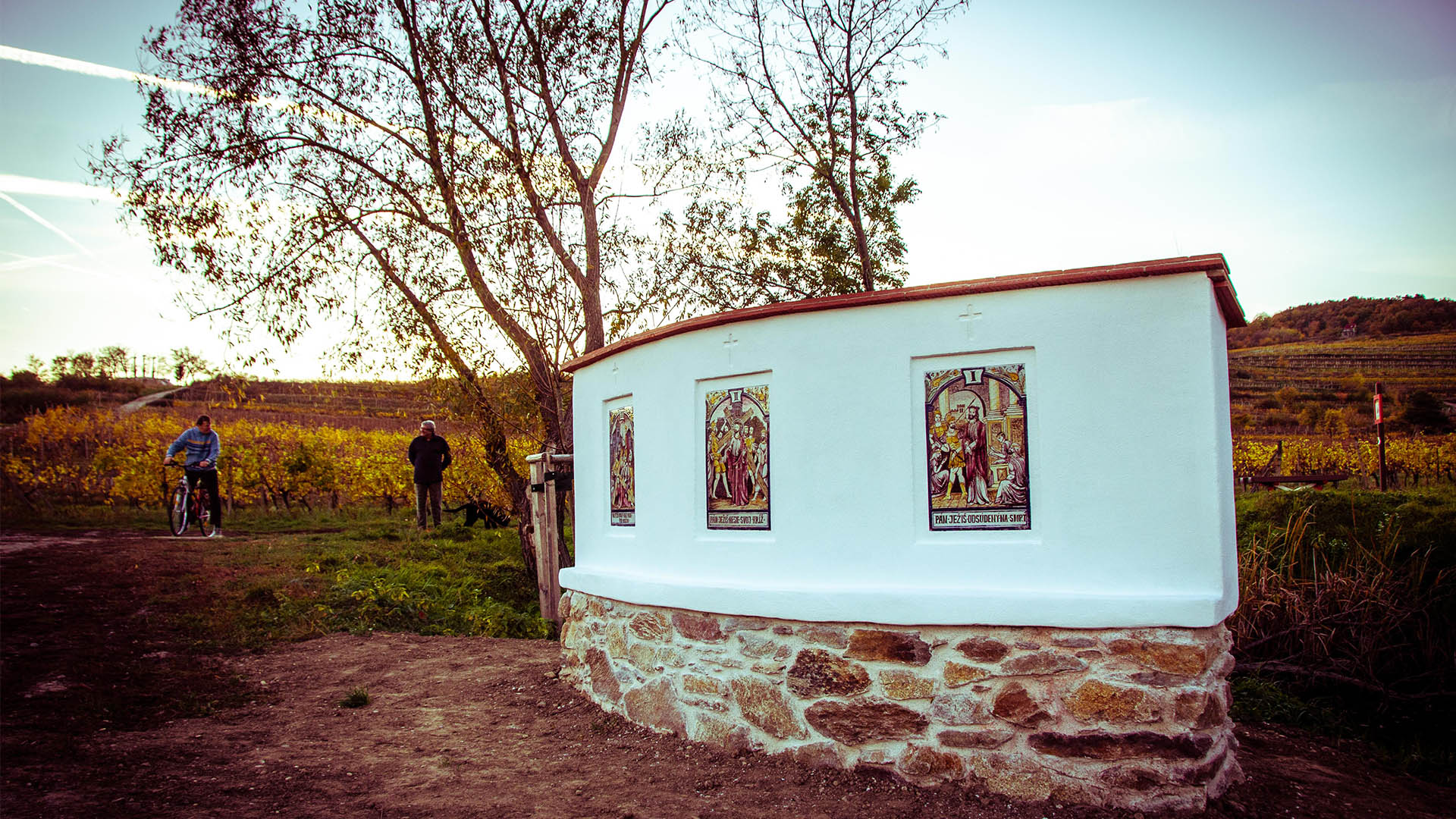
Ceramic Stations of the Cross Calvary has been standing among the vineyards above Modra since 1814. The original, built of wood, was replaced by more durable materials. From 2018 leads to the calvary of 5 stone panels with ceramic stops. They are the work of master ceramisists Marián Liška, Jozef Franko, Igor Mesík, Ján Viglaš and Ján Pečuk. Calvary with the Stations of the Cross is a popular place for locals and visitors to the city. It provides peace, a view of the wide surroundings and combines what is typical for Modra – vineyards, stone, ceramics and the surrounding forests.
Ceramic relief
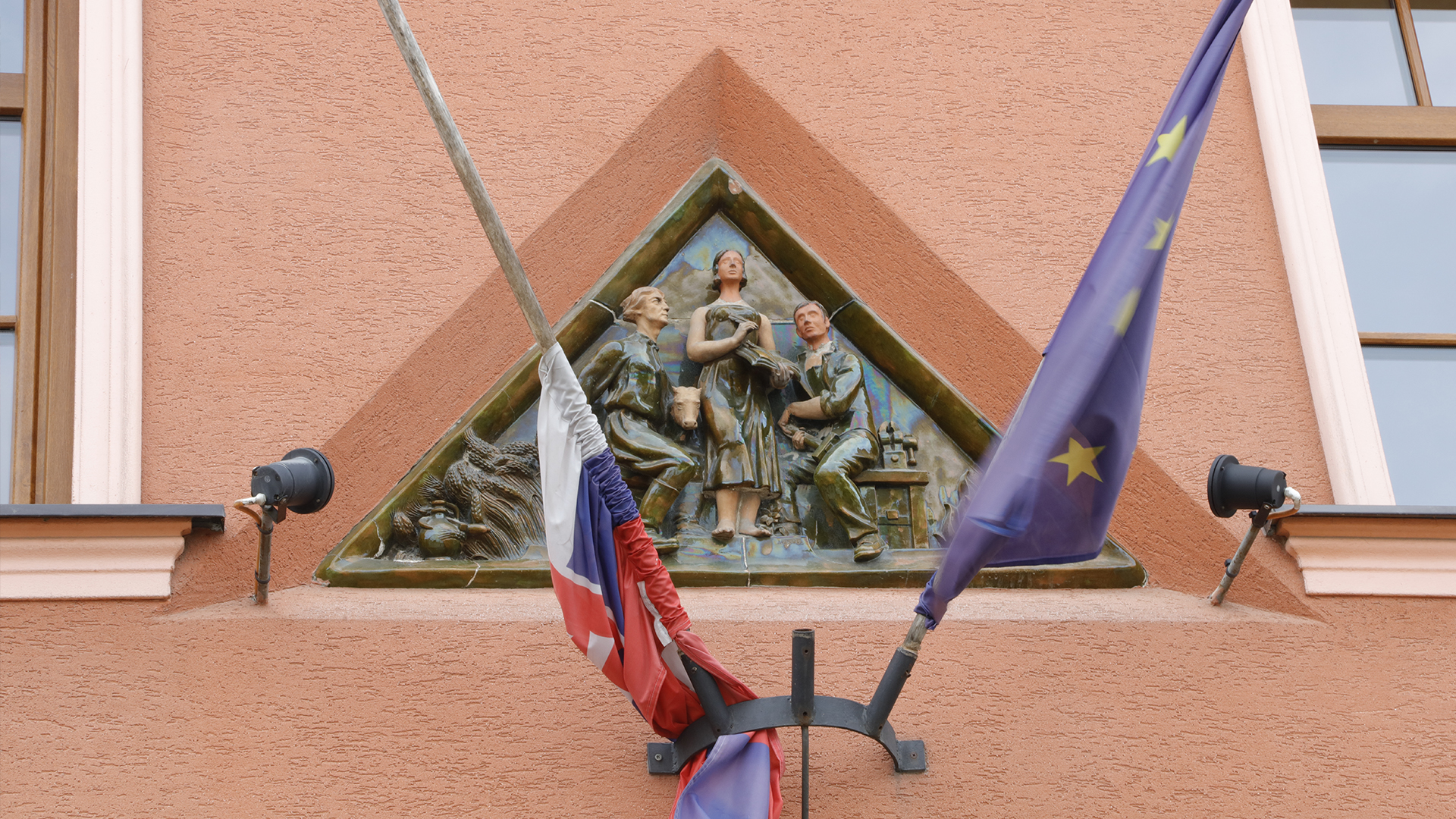
The inscription “Let´s protect the heritage of our fathers” can still be seen on on the building of the old pottery. Originally, it´s premises housed a ceramics school, founded in 1883. I tis equipment included pottery wheels, grinders, tools and a pottery kiln. A few years later, a private ceramic workshop was established from the school, which used new colorful patterns, expanded its production and overcame several crises. It was located in these premises until the 70´s of the 20th century. The premises underwent extensive renovation and today they have a private owner.
Animals in Stoličny stream
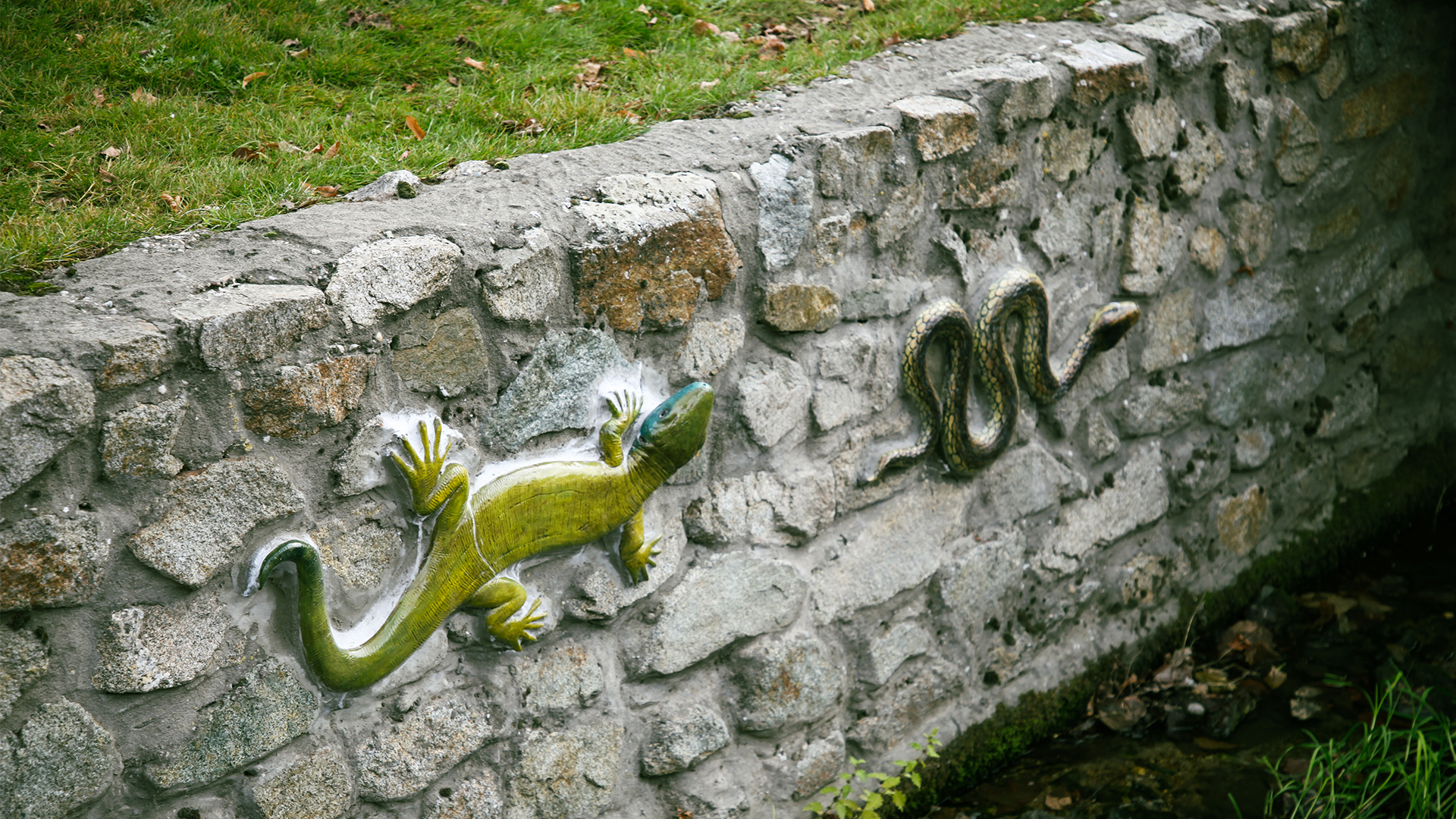
The Stoličný stream flows through the historic center of the city, which was covered at the end of the 19th century to make way for traffic. However, one of its parts was later uncovered during the reconstruction, so it can be used since 2021 home to ceramic animals. The frog, snake, crayfish, monster and lizard were created in the workshop of local artist Andrej Frič, who creates under the Frikou brand. The animals are an activity of the Clay Day – Magic of Clay project, from the subsidy program of the EEA and Norway Grants in Slovakia.
MUSEUMS
Slovak National Museum – Museum of the Slovak Ceramic Sculpture
The renovated historic vineyard house from the 17th century provided space for a specialized museum. I tis located near the city fortification and is dedicated to the ceramic tradition of West Slovak pottering. The building together with the Ignác Bizmayer Gallery forms a complete complex. The museum also provides exhibition spaces, so here you can find various types of fine art, designer works and creations associated with the personalities of the city. The gallery is located in the city fortification building from the 17th century. On the individual floors, you will find the work of Ignác Bizmayer, a nation artist, a descendant of the Haban family. For the first time, the works of women – ceramisists and contemporary masters from Modra and its surroundings are represented
Kukučínova 15, Modra
mls@snm.sk
www.snm.sk
EVENTS
Slávnosti hliny – keramická Modra
The unique two-day ceramic festival, which is organized by the civic association Modranská Beseda together with partners, is divided in two parts. The first is intended for experts in the field of ethnology, cultural heritage and history, who have the opportunity to actively participate in the professional seminar. The second part of the general public includes ceramic exhibitions, a fair, creative ceramic workshops, music and theatre program. Among the most popular acitivities is the potter´s parada, during which ceramic gnomes throw clay at the visitors and the master potter thanks the patron St. Florian. The festival brings clay in various forms and is one of the most popular activities in the city.
DESIGN
From tradition to design
The ceramic tradition could develop in Modra thanks to the rich deposits of clay, which was mined here in the 20th century. At first, it had a utilitarian function, later a decorative one, and today it is a part of households for everyday and festive occasions. In addition to traditional floral patterns, you can find simplified motifs from old sample books, new designer and student designs on ceramics today. We see a wide range of applications for ceramics – in households, cafes, accommodation facilities, on facades of buildings and houses.