CASTELLÓ DE LA PLANA – Spain
12001 – Castellon
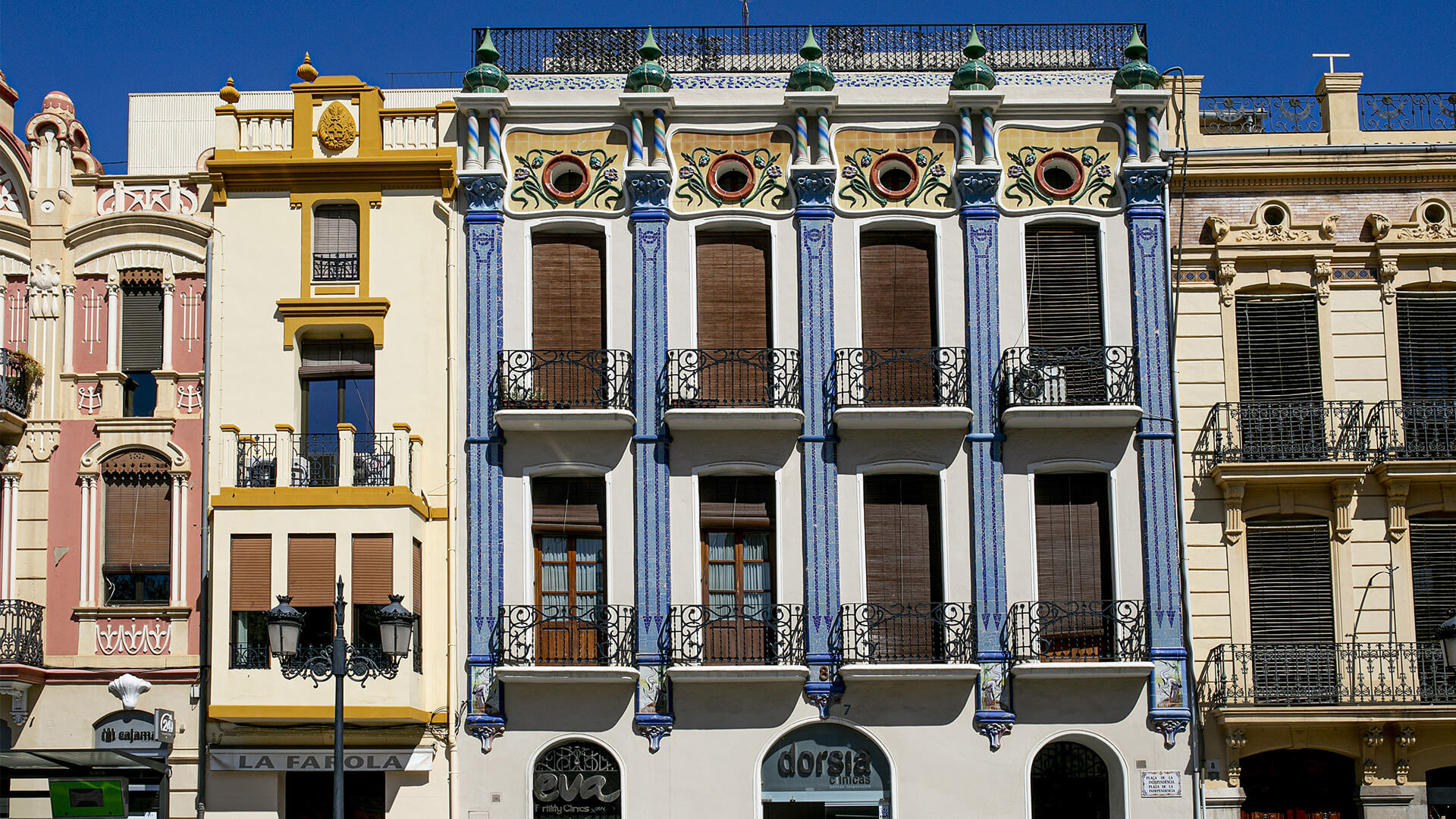
The industrial, social and cultural history of Castelló would make no sense without ceramics, which have been one of the foundations in the economic and industrial development of the city. Ceramics have also now become an artistic feature that permeates many parts of the city and its life. There are a wide range of ceramic features to be seen around the city: façades, squares, churches, emblematic buildings, sculptures in the streets or ceramic furniture, to make a wide range of structures. Institutions have included ceramics in their course content, offering a wide variety of training in this sector. This commitment to the ceramics industry has enabled to look through innovative solutions and technological advances, without neglecting tradition. The city of Castelló to ceramics is also committed in the organisation and participation in fairs, congresses and awards in this field. The Castelló City Council and the Association of Ceramic Technicians joined forces in 1997 to create the Ciutat de Castelló National Ceramics Prize award, with the aim for society to understand ceramics in a global way. It also allows ceramic technicians to develop their creativity and promotes artists living in Spain. Domestic and international tourism in Castelló addresses culture: the City Council has developed a webpage of virtuals routes to increase the awareness of the role played by traditional and artistic ceramics in the aesthetics of the city: there are currently three routes with different ceramic themes: traditional, modern and avant-garde.
EXPLORE
CITY
Hand-crafted ceramics are clearly highly representative and are particularly important for Castellón. Born out of the crafting of mud, the first findings of this craft date back to the Neolithic period, although it was the Muslims that introduced the more refined techniques of glazing and decorating. There is still an extraordinary demand for this craft these days, and throughout the province beautiful pieces that are close to perfection can be found, such as the ceramics made in the Real Fábrica de loza del Conde de Aranda factory in l’Alcora.
BUILDINGS AND CERAMICS
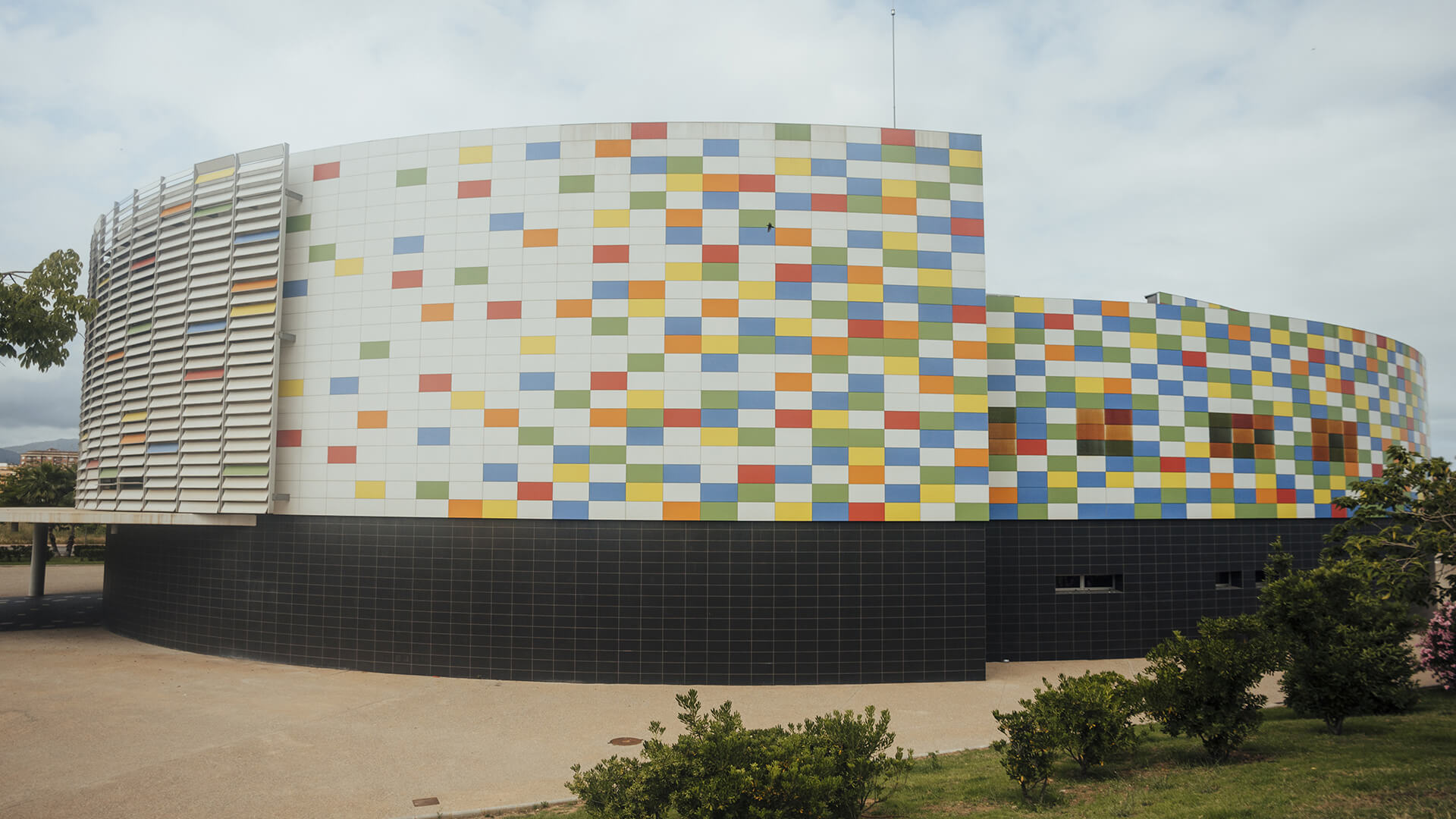
PALAU DE LA FESTA
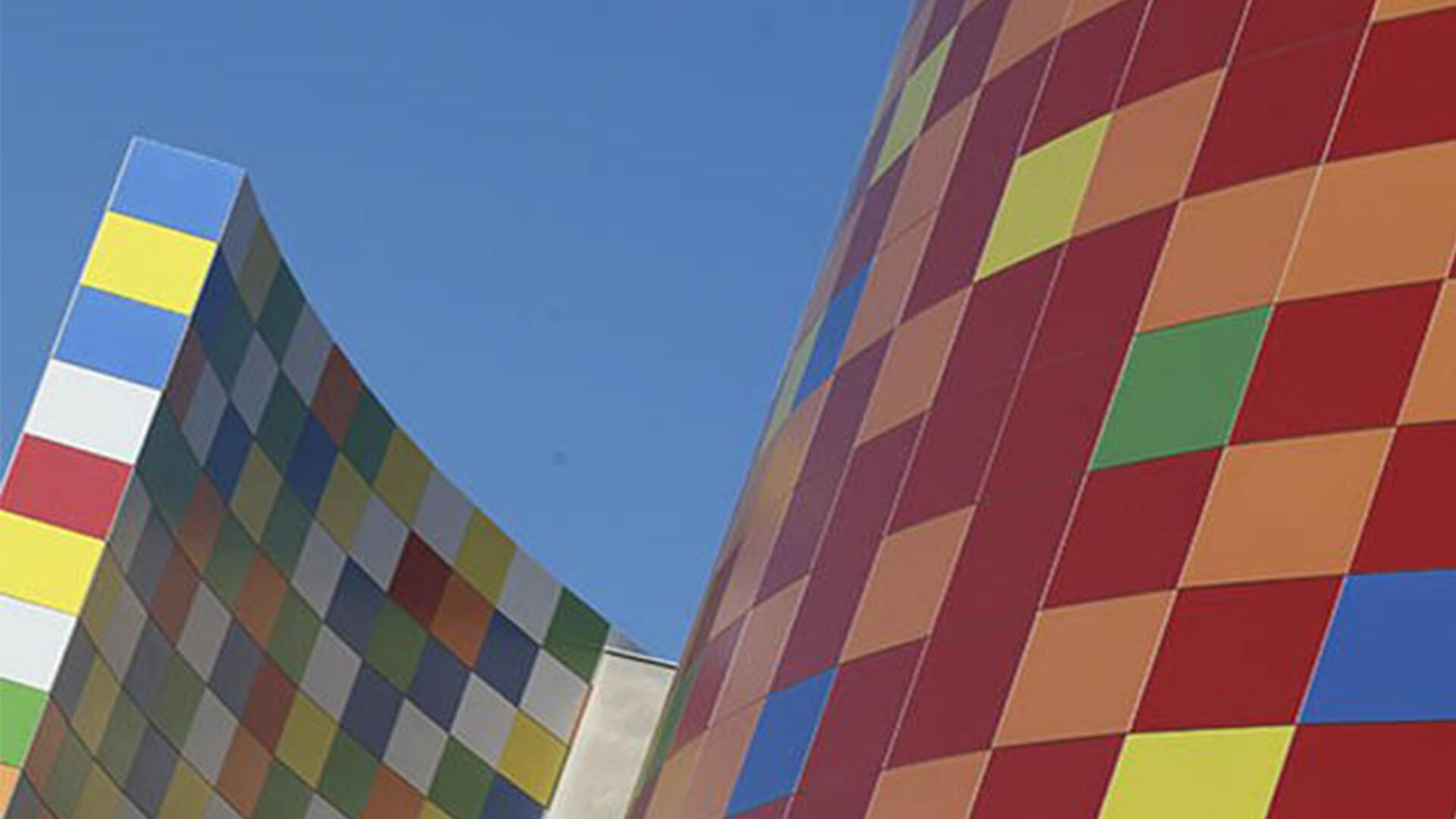
The building has a wide elliptical floor plan clad with a ventilated ceramic facade. The ceramic pieces have the particularity of progressively absorbing the peculiar curvature of the facade.
Carrer del Riu Sella, 1, 12005 Castelló de la Plana, Castelló
VIRTUAL ROUTES
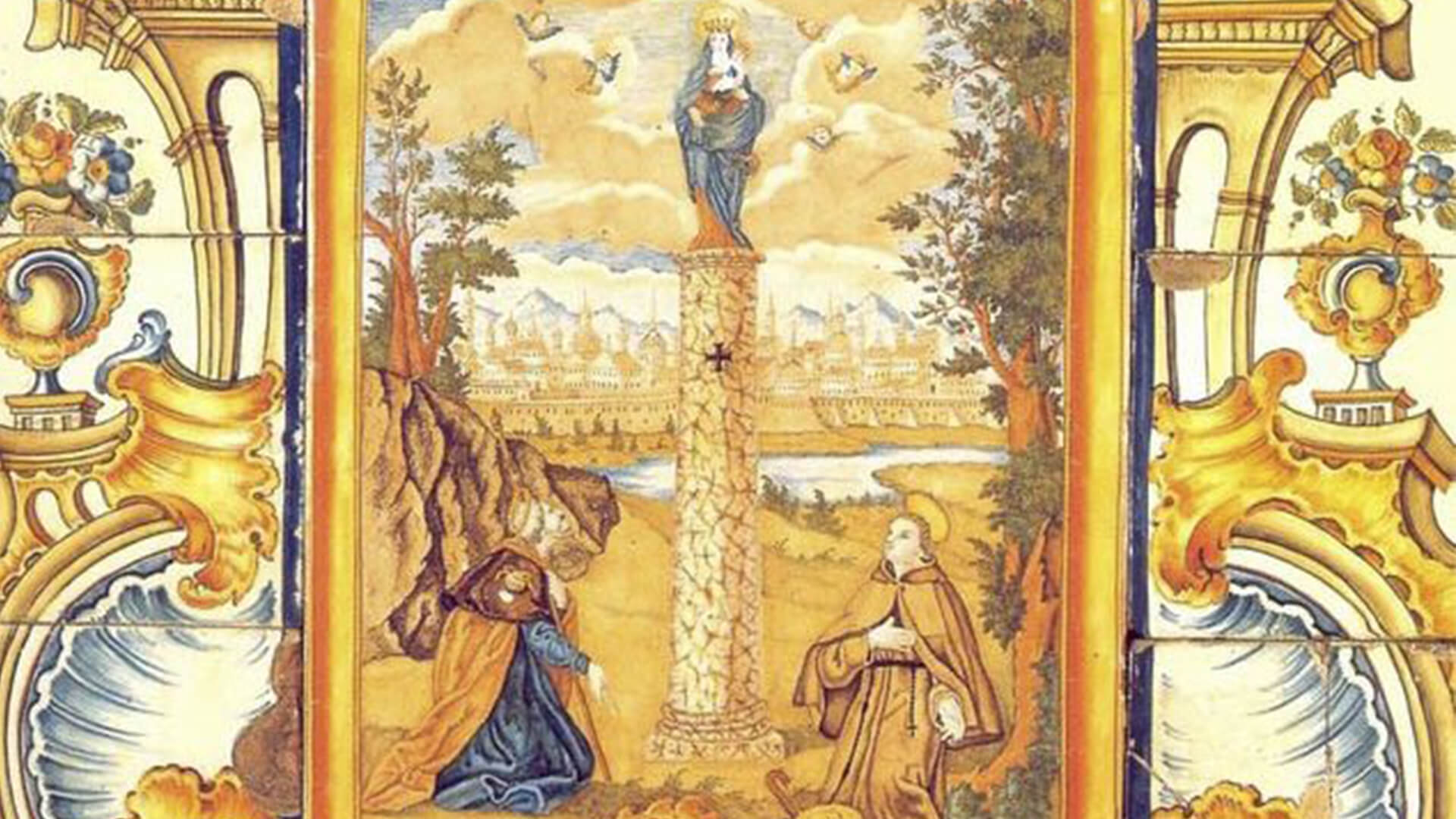
TRADITIONAL CERAMIC ROUTE
During the 18th century, the influence of la Fábrica de Loza del Conde de Aranda, and the production of the tile factories in Valencia meant that, in the 19th century, the tile industry took root in Onda and gradually spread, first to Castellón and then to L’Alcora. Baroque and neoclassical tiles in chapels and noble rooms gradually evolved and also occupied more humble dwellings. In the last third of the 19th century, the revaluation of tiles in architecture, the urban development of large cities, the hygienic usefulness of tiles and the general process of industrialisation of the country led to a great demand for production and initiated the real development of the tile industry in our province within the Spanish panorama. The Modernist Movement was the cause of the boom in tile factories in the first third of the 20th century. At the end of the 1920s, Valencian tile production, with Castellón at the forefront, stood out considerably from the rest of Spain. Tiles, a hygienic, eye-catching and economical product, clad houses in their interiors and exteriors as never before.
www.rutasceramicas.castello.es
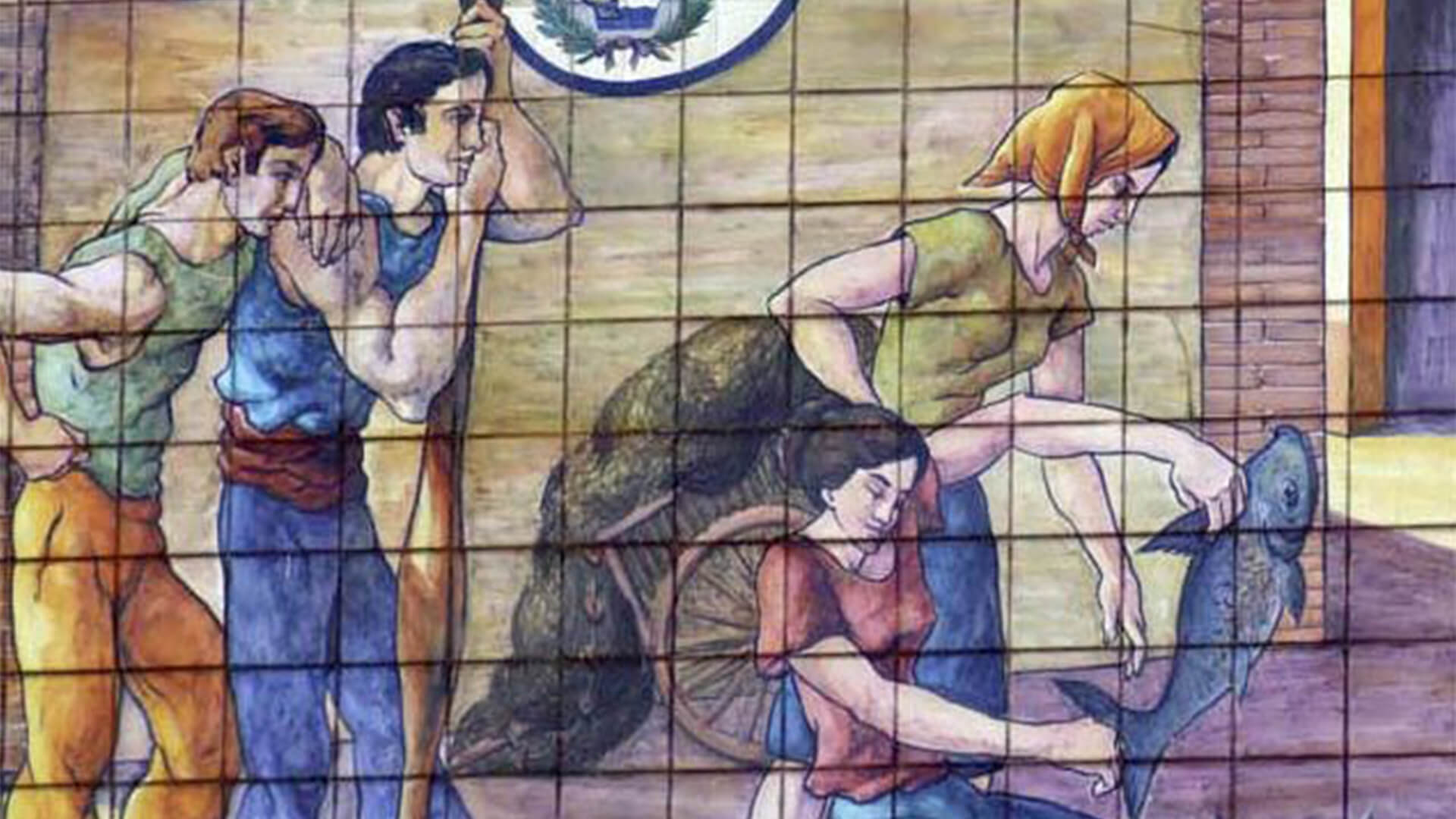
MODERNITY CERAMIC ROUTE
After the end of the Civil War there was a slow process of recovery of the ceramic industry in every sense. In the 1950s, a period of growth of the tile industry in general, the production, with decorative themes applied mechanically, became repetitive, uniform and monotonous. The tile industry is relegated to indoor areas, without public presence.
www.rutasceramicas.castello.es
AVANTGUARDA CERAMIC ROUTE
With the incorporation of natural gas and the monoculture, a new stage began in all senses. From the end of the 1980s onwards, the production of porcelain stoneware began, opening up a wide range of urban possibilities in addition to the many existing products.
www.rutasceramicas.castello.es
