TALAVERA DE LA REINA – Spain
45600 45694 – Toledo – Castilla – La Mancha
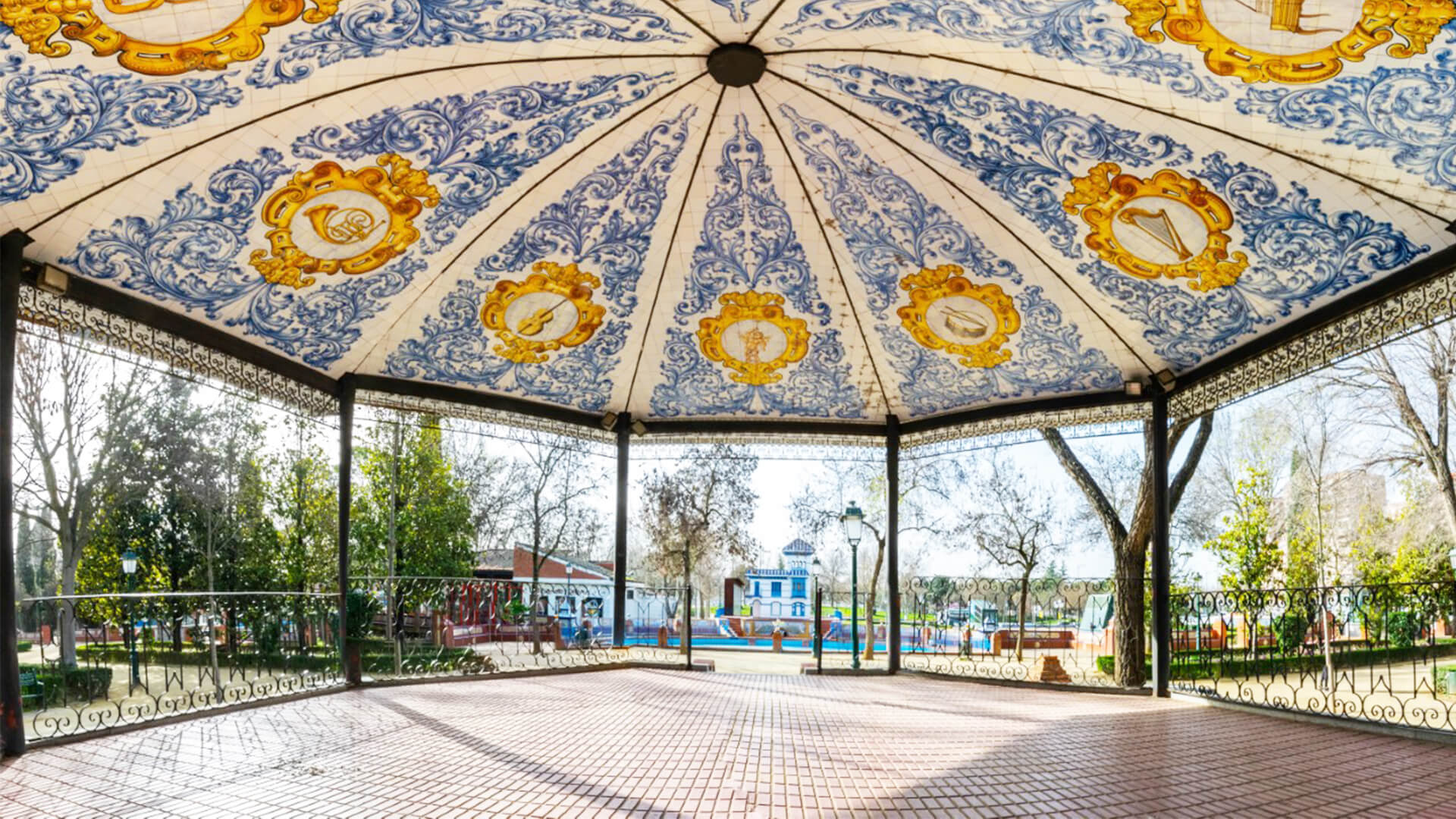
The city of Talavera de la Reina is capital of a natural region, is located in the fertile confluence of the Tagus and Alberche rivers. A city that is served as a wedding present for a queen. Alfonso XI gave it as a wedding gift to Maria of Portugal when he married her in 1328 and Talavera has been called “de la Reina” (of the queen) ever since. Ceramics in Talavera is known since the 12th century; imported from China and started as a craft by Muslim potters. Furthermore, in 1575 it received the royal patronage and they started to trade through Spain. Ever since, Talavera has been known like ‘City of Ceramics’. Currently, it counts with several workshops/ shops which can be visited, to know in person the handicraft processof making ceramics. In addition, Talavera hosts the Museo Ruiz de Luna, exhibiting classic and modern ceramic artworks, together along a section dedicated to Ruiz de Luna, the renowned ceramic artist of the city. Talavera itself is an open-air ceramics museum, as ceramics is present everywhere.
EXPLORE
City
Talavera de la Reina is a city in the province of Toledo (Castilla-La Mancha, Spain), relatively close to the capital Madrid, and home to one of the greatest artisanal ceramic legacies in Europe. Such is the importance of this traditional industry that the city has chosen to be known as the “City of Ceramics” as a hallmark of its urban identity. Because of its economic footprint, in terms of production volume and sustained demand, ceramics have stood out from other traditional trades in the region, the ceramics of Talavera have always been involved in a constant process of re-creation.
WORKSHOPS
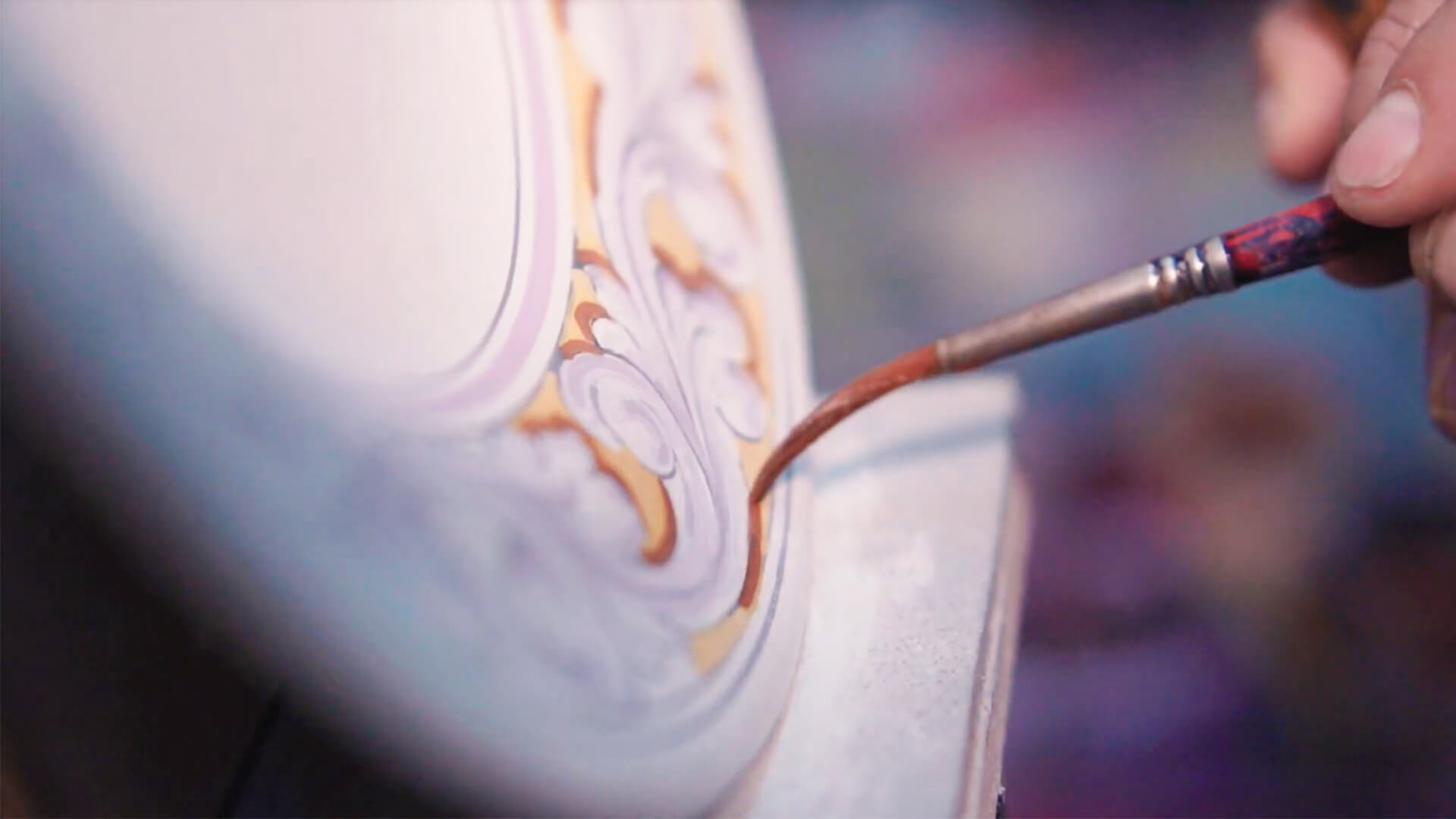
The traditional pottery-making methods used for over five centuries in these Spanish towns, have been declared part of the Intangible Cultural Heritage of Humanity by UNESCO. In Talavera de la Reina there are still communities of artisans who make ceramic objects for domestic, decorative and architectural use. The most significant aspect of their work, and the reason for this recognition, is that most of their manufacturing, decoration and glazing processes have remained unchanged since the 16th century. These master potters and ceramists have passed on their knowledge orally over the new generations. It’s fascinating to see how each workshop has its own identity, seen in certain details in the modelling, colours or glazes of the pieces, which are always unique.
MUSEUMS
MUSEUM RUIZ DE LUNA
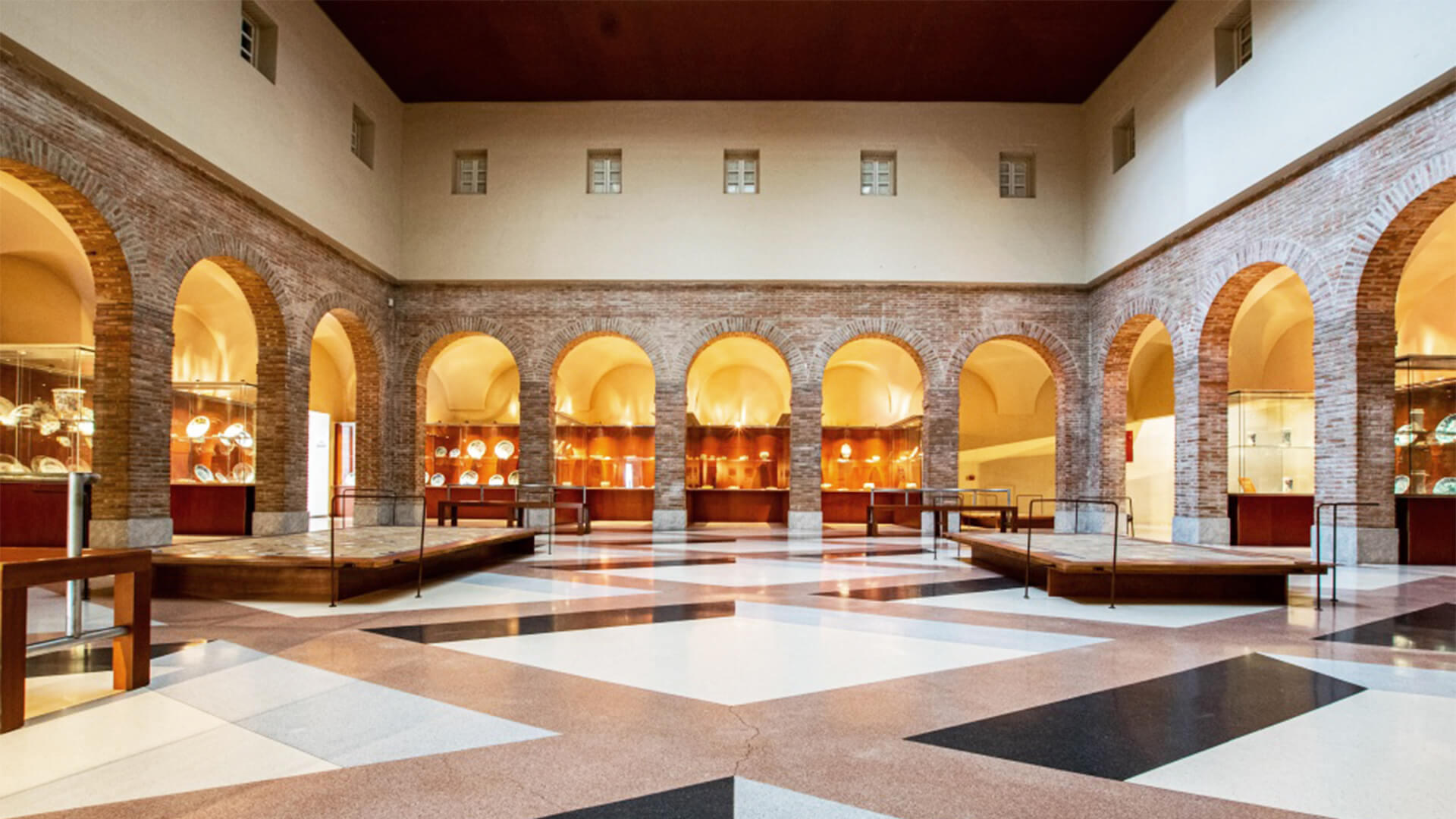
The museum offers a panorama of the artistic evolution of ceramics, both in the colours and designs used and in the shapes of the pieces. It is located in San Agustín Convent, and is based on items collected by the Toledo potter Ruiz de Luna. It has pieces that date back to the Middle Ages, but most are from the 16th-20th centuries.
Calle de San Agustín s/n
45600 Talavera de la Reina, Toledo (Castilla – La Mancha)
+34 925800149
museoruizdeluna@jccm.es
www.cultura.castillalamancha.es
